
Vision-Based Autonomous Systems
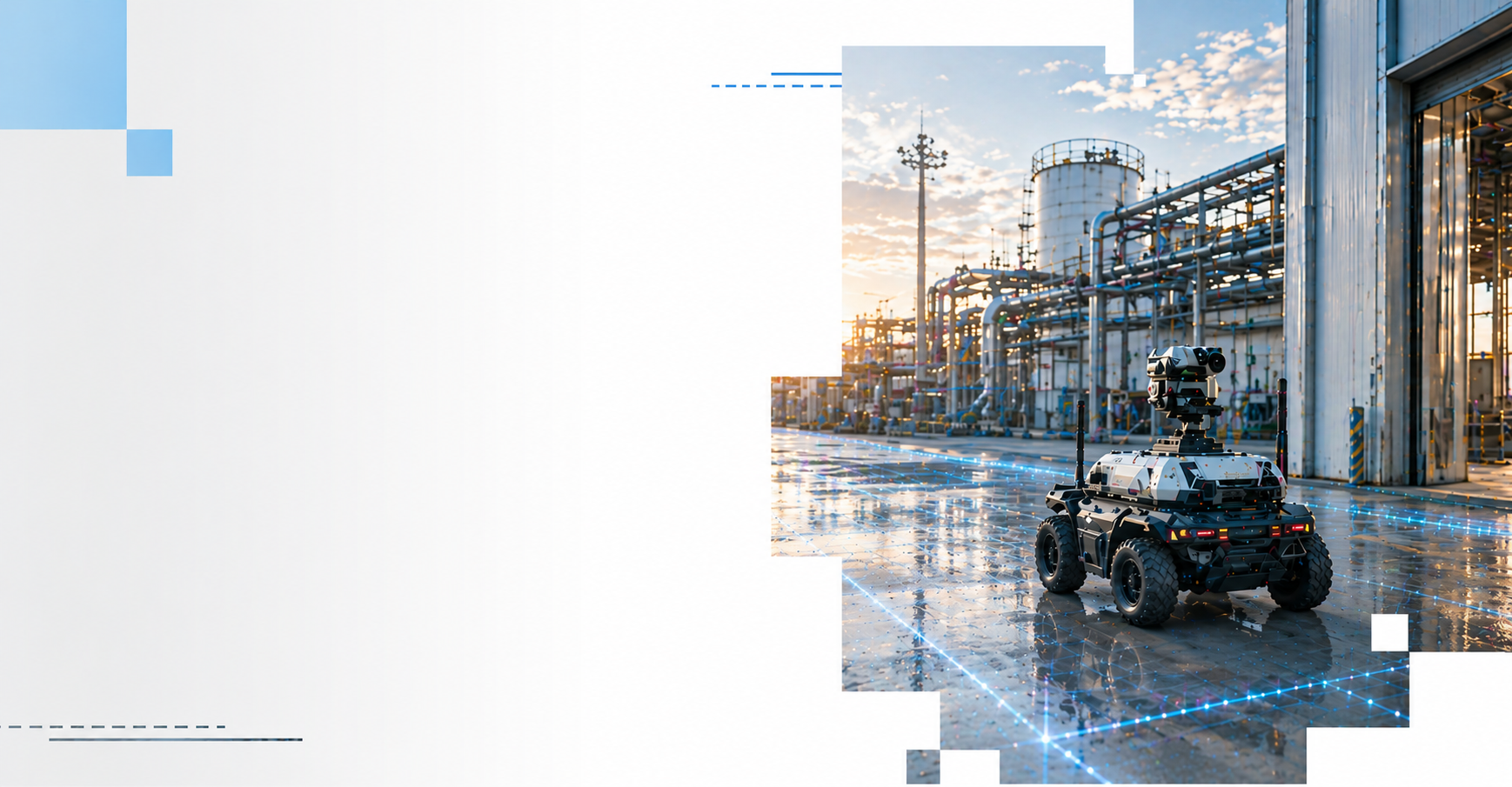
Vision-Driven Systems
for Real-Time Control
AI vision models perform in controlled environments. But real-world systems fail when:
- Constraints change
- Feature Point is lost
- Decisions cannot be executed in time
We provide the edge infrastructure that fuses visual data with spatial intelligence to maintain system elasticity when the environment refuses to cooperate.
Continuous Control Through Vision
Autonomous systems fail when sensing, positioning, and execution stop operating as one system. Continuous control depends on whether these layers remain aligned as environments, references, and conditions change.
Multi-Modal Sensing
Perception must continue even when visibility, lighting, or orientation lose exactness.
Spatial Awareness
Systems must maintain position and orientation without relying on static references.
System Alignment
Sensing, positioning, decision, and execution must remain aligned across time and system layers.
Edge Decision Execution
Control depends on decisions that continue executing without interruption.
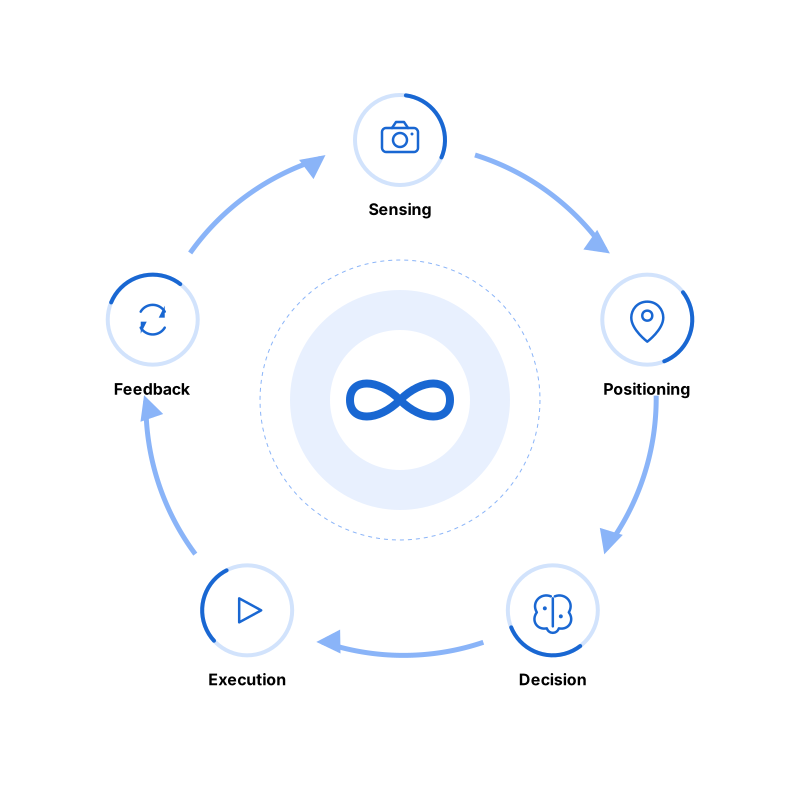
Maintaining Alignment Across the Control Loop
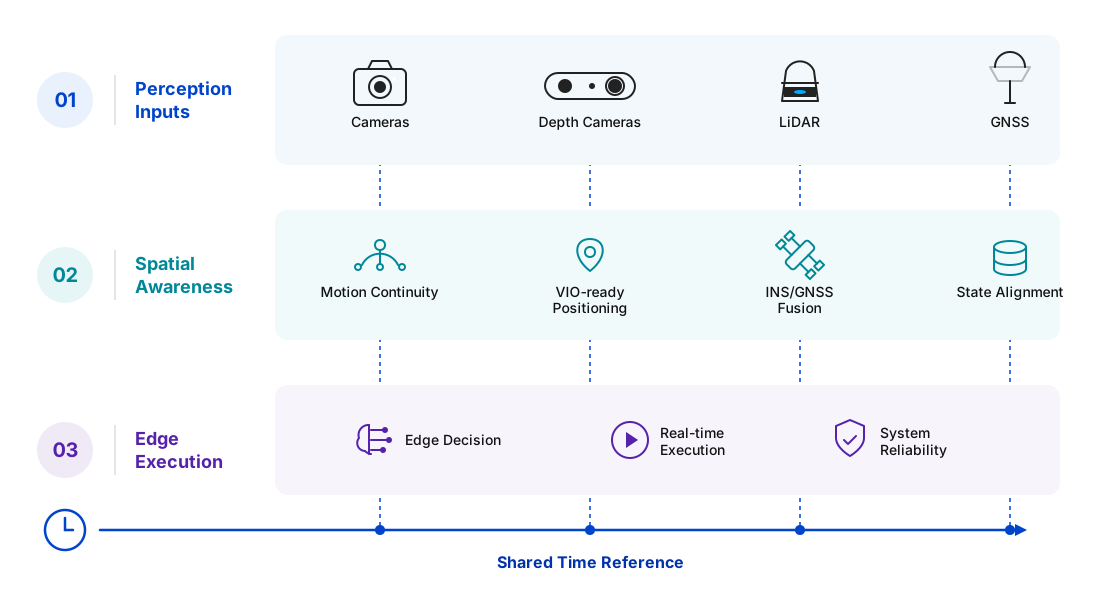
Continuous vision-based operation requires aligned systems. NeuronEDGE synchronizes sensing, positioning, decision, and execution so system events stay aligned across distributed devices.
Where Continuous Control Is Tested
Vision-driven autonomous systems are stressed when visibility changes, references disappear, and conditions no longer remain stable. NeuronEDGE maintains alignment as these conditions degrade system stability.
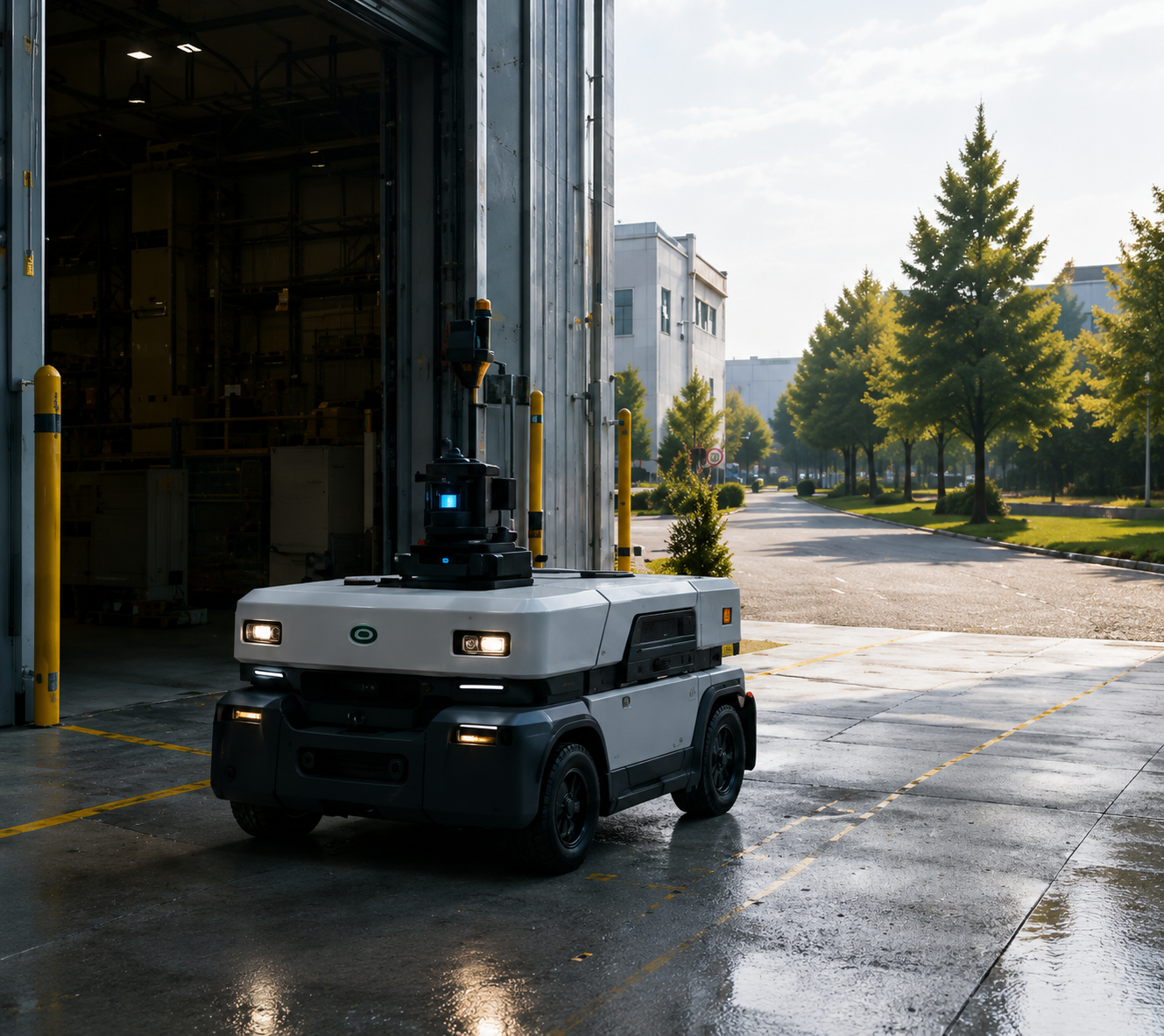
Indoor-Outdoor Transition
References shifts faster than systems can recalibrate.
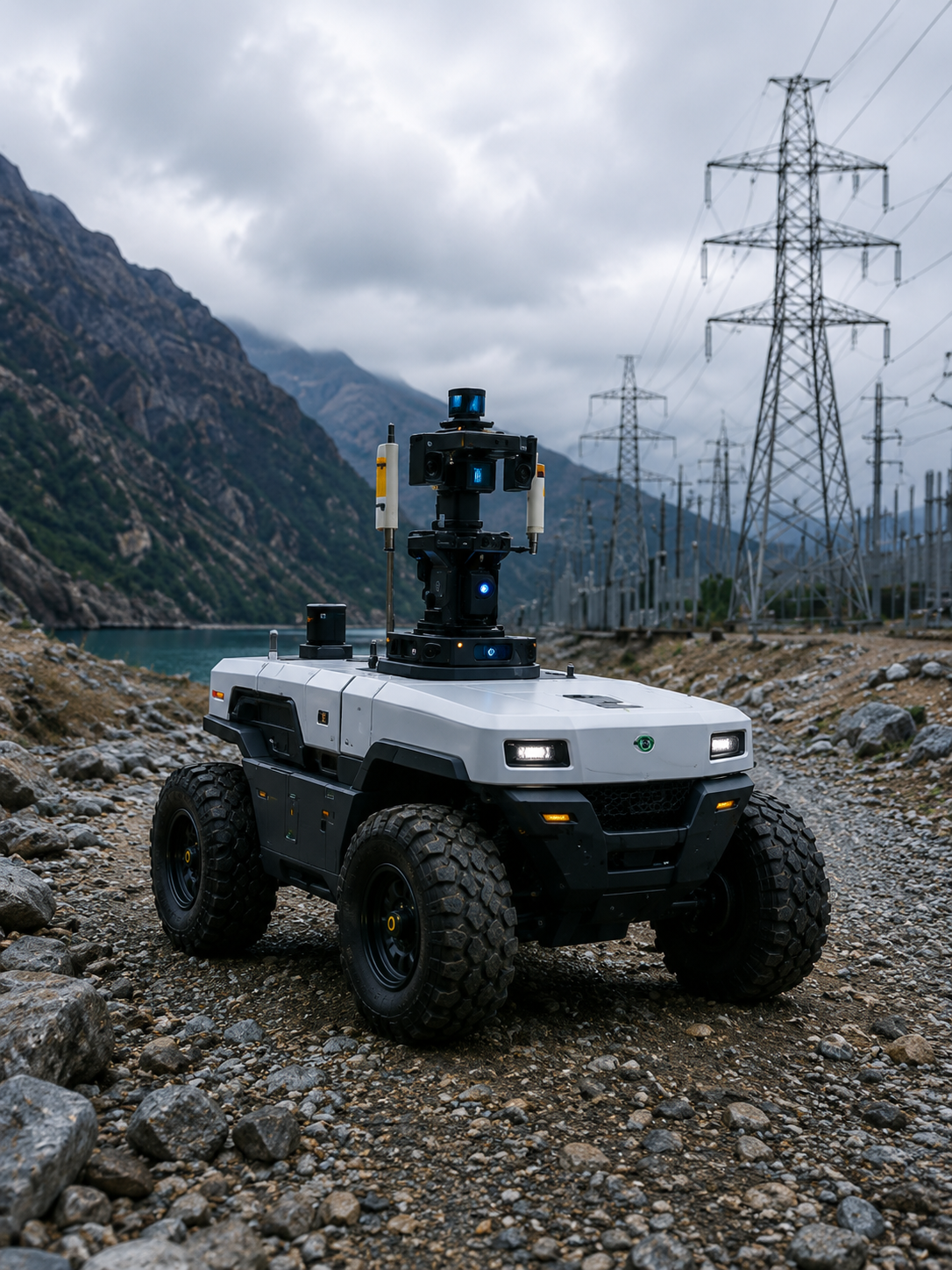
Remote Inspection
Operations continuous without reliable supervisors.
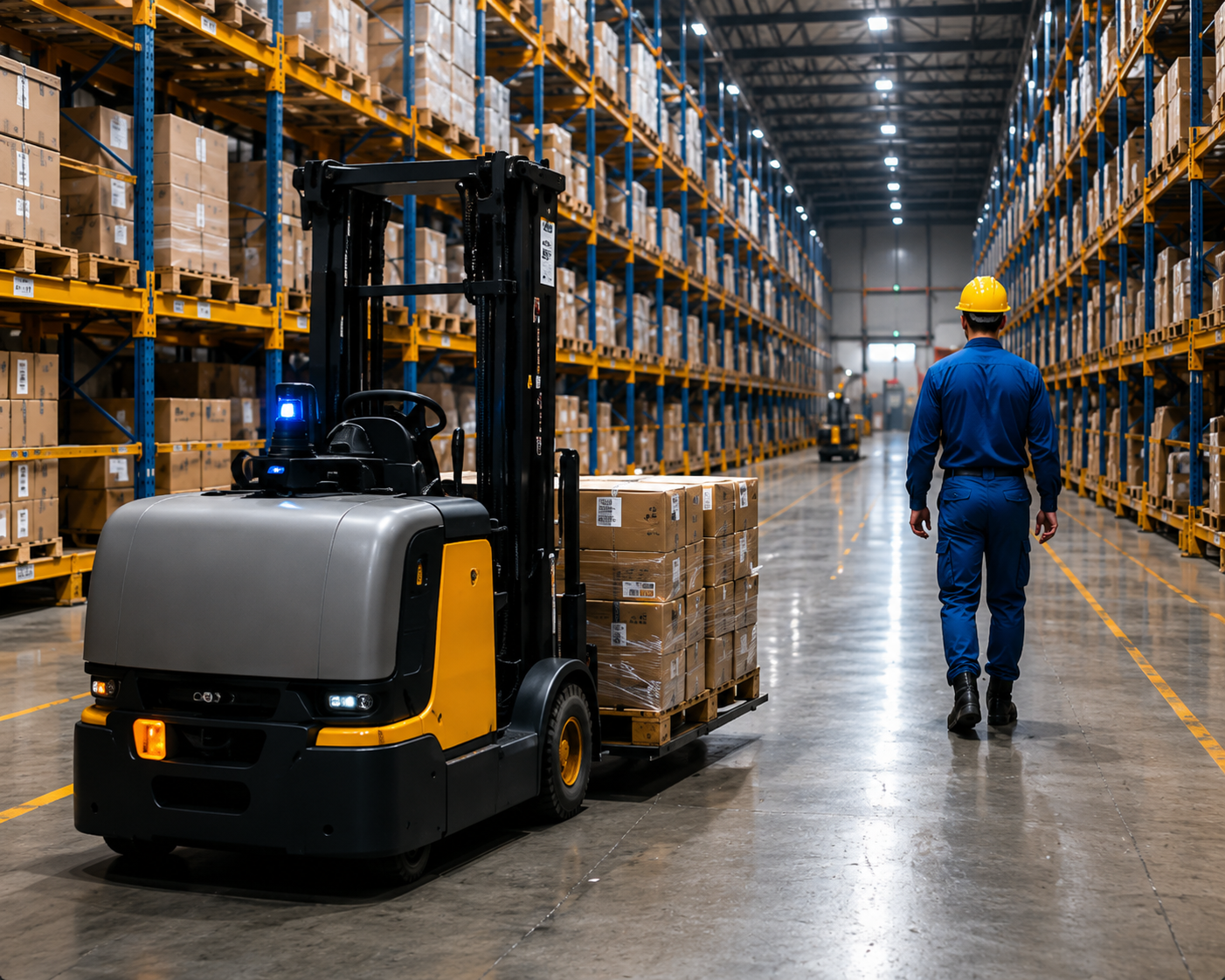
Industrial Navigation
Control must hold despite interference and drift.
Continuous Control Reduces Operational Instability
Maintaining alignment reduces interruptions, manual intervention, and operational drift over time.
Built on Real-Time Edge Infrastructure
Our solution combines industrial computing, AI execution, and time-aligned system architecture for vision-based autonomous operation under changing conditions.


Maintaining spatial awareness under unstable references.


Keeping sensing, positioning, and execution synchronized.


Executing autonomous decisions continuously at the edge.