Traditional AI
Focus on models and prediction.
Camera
AI Model
Prediction

Sensing, synchronization, communication, computing, and control determine how autonomous systems perceive, decide, and act.
Explore the Five Layers →Why Five Layers?
A model produces a prediction. The infrastructure determines how that prediction is synchronized, delivered, processed, and executed.
Focus on models and prediction.
The complete infrastructure
Together they define overall system behavior.
Explore the Five Layers
Each layer introduces different engineering requirements, system constraints, and design priorities.
Layer 1
Capture the physical world accurately.
Collect information from cameras, LiDAR, IMUs, radar, and other sensors.
Ensure every sensor measures the same environment from the correct position and orientation.
Reliable systems begin with consistent sensor data before any AI processing takes place.
Layer 2
Align every device to a shared timeline.
Synchronize cameras, LiDAR, IMUs, and controllers to the same clock.
Precise timestamps ensure data from different sensors represents the same moment.
A shared timeline makes replay, diagnostics, and root cause analysis far more reliable.
Layer 3
Deliver data predictably across the system.
Deliver sensor and control data with predictable latency.
Minimize timing variation that affects synchronization and control.
Reduce packet loss and maintain stable communication between distributed devices.
Layer 4
Turn synchronized data into decisions.
Process sensor data using AI models and perception algorithms.
Handle multiple sensor streams while maintaining consistent performance.
Generate decisions fast enough to support continuous autonomous operation.
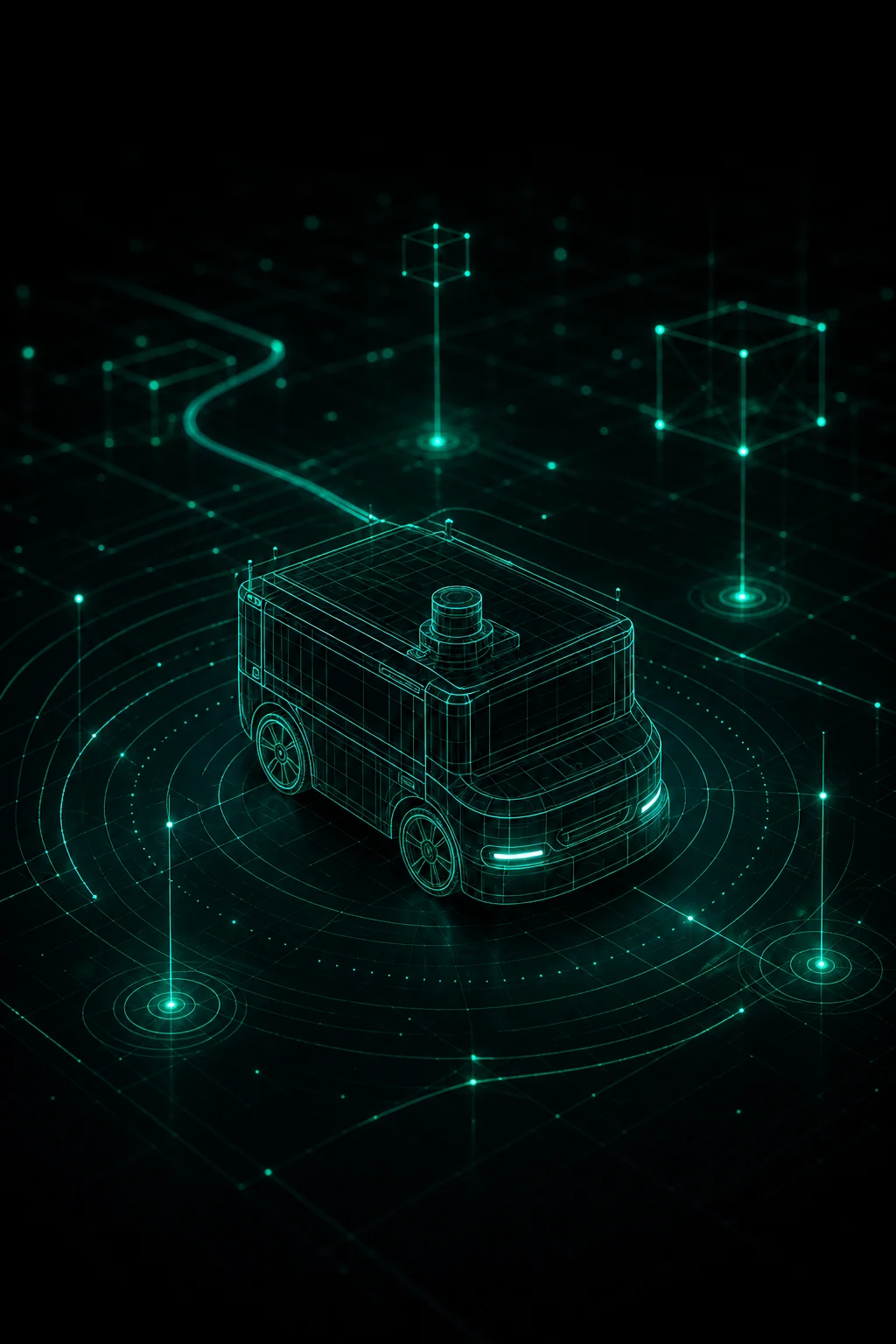
Layer 5
Translate decisions into physical actions.
Convert AI decisions into precise physical movement.
Continuously adjust system behavior using real-time feedback.
Deliver repeatable motion under changing real-world conditions.
Our Platform
NeuronEDGE provides dedicated infrastructure across sensing, positioning, networking, AI computing, and system integration for autonomous systems.
View all productsSensor Bridge
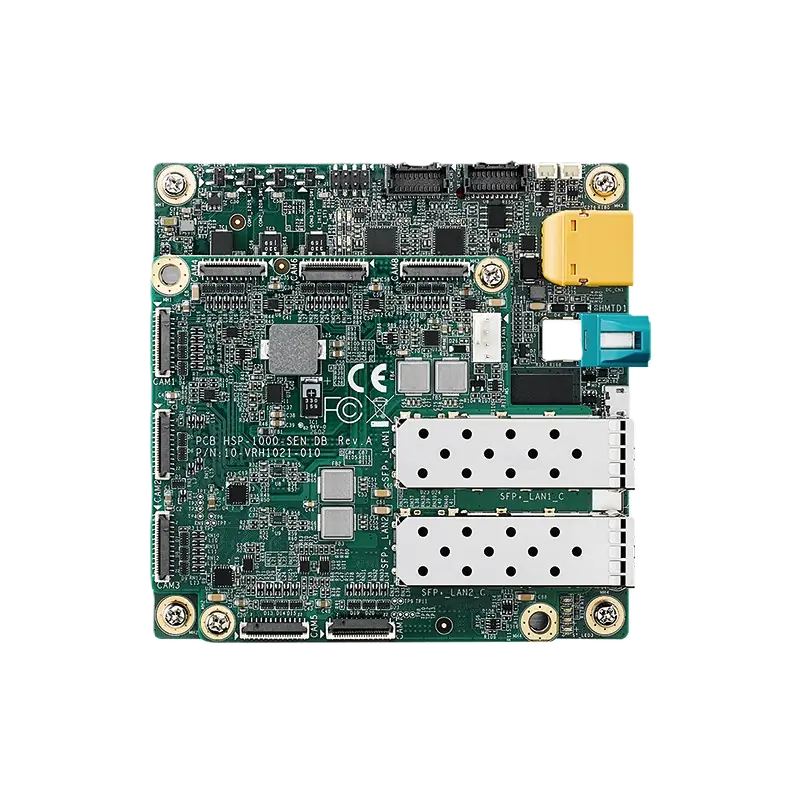
Aggregate and synchronize multi-sensor data to support accurate perception and sensor fusion.
Learn moreInertial Navigation System
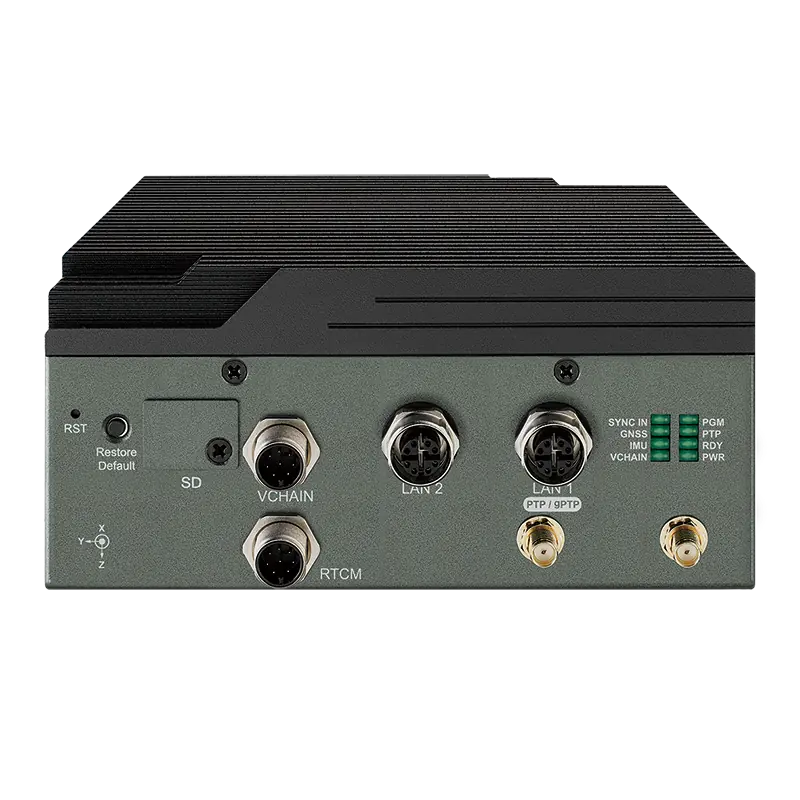
Maintain continuous positioning by combining IMU, GNSS, and motion data into a unified navigation solution.
Learn moreTime Networking Platform
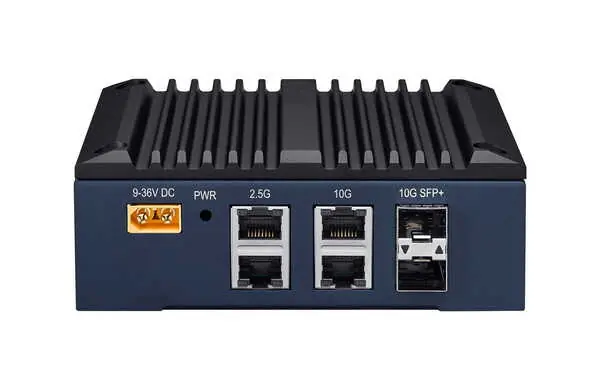
Provide deterministic networking and precise time distribution across distributed autonomous systems.
Learn moreAI Controller
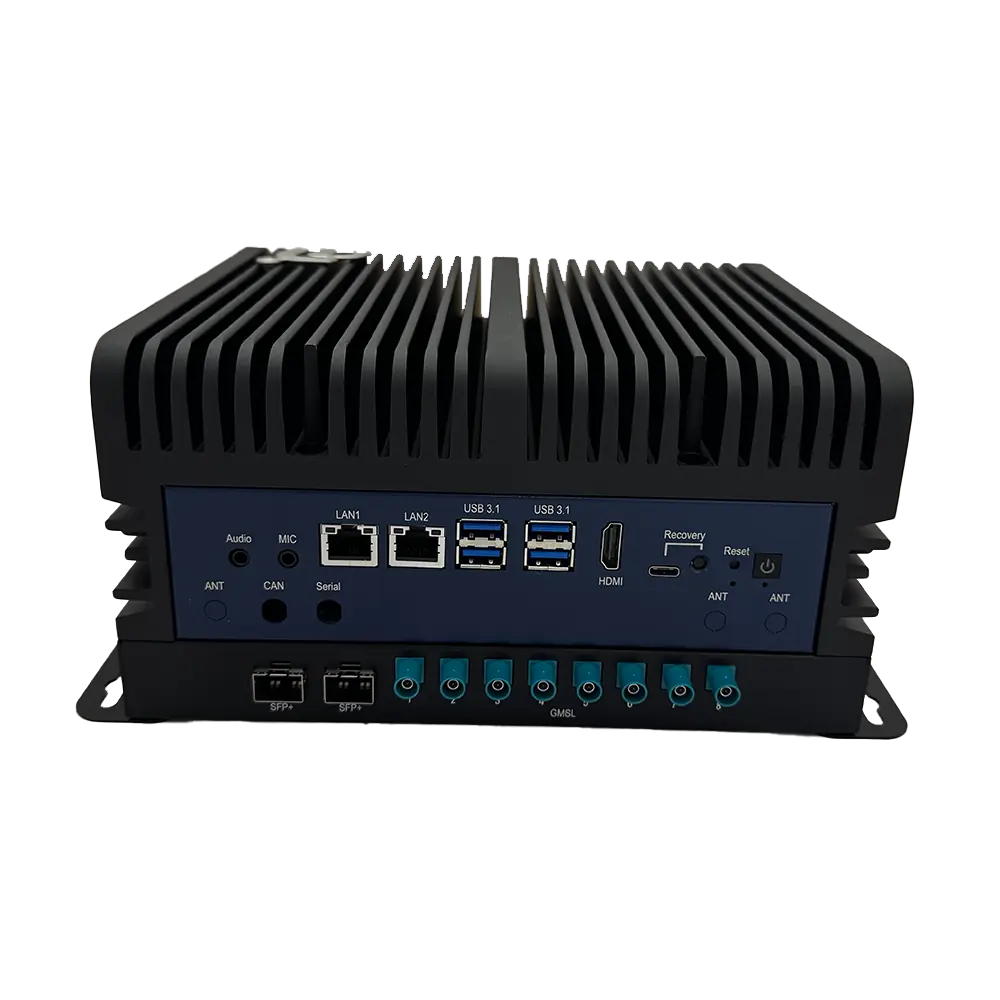
Process synchronized sensor data for AI inference, perception, planning, and decision making.
Learn moreController & Actuator Ecosystem
Connect AI decisions with coordinated machine motion through industrial control infrastructure.
Integration ready